




Disassembling Furniture For Moving: Top Tips

Author | Steve Blackwell
 relocationswa.com/about/steve-blackwell
 linkedin.com/in/steve-blackwell
When moving house, furniture disassembly and furniture removals can be tedious. Not only do you have to carry all your furniture out of the old house, but you also have to take apart furniture for easy transportation carefully.
This guide is aimed at helping readers effectively prepare furniture for house removals. We’ll guide you on safely removing furniture from each room in the house and proper furniture disassembly techniques so your furniture arrives safely at its destination. Ticking furniture disassembly off your moving checklist ensures that you are set and ready for the big relocation.
Why Should I Disassemble Furniture Before Moving?
Whether moving furniture interstate or locally, disassembling furniture should be a crucial part of your move. Taking apart furniture before transportation reduces the risks of damage and makes it easier to fit through doorways and hallways, ultimately making it easier to manoeuvre them throughout the home you are departing from and into your new home.
In addition, if certain pieces of furniture are not disassembled before moving, they can cause damage during transportation. For example, heavy and bulky furniture may cause dents in walls or floors due to size and weight or sharp edges. Disassembling them into more manageable pieces can help prevent this from happening.
Lastly, disassembling furniture can save money. By taking the time to take apart furniture before your move, you should be able to fit more items in the back of a van or truck, which could reduce the total cost of your move.
When it comes to furniture disassembly, the following should be taken into consideration:
- Assess which pieces of furniture should be disassembled. Of course, not all items should be taken apart, but those that are bulky or consist of multiple parts should be dismantled.
- Prepare tools and materials such as screwdrivers, pliers, wrenches, and labels for keeping track of different parts.
- Take pictures during the process to help you put the furniture back together at the new home.
- Use bubble wrap for extra protection on individual pieces.
- Keep all screws in a separate container, so they don’t get lost during transportation.
Is It Necessary to Disassemble Furniture for the Movers?
Whether you need to disassemble furniture before moving depends on the type of moving service you’ve picked. If you’ve gone for a comprehensive package with the moving company, they’ll handle the furniture disassembly. But if you’ve opted for a more basic service focused on transporting boxes, it’s up to you to disassemble and pack your furniture.
At Relocations WA, our moving company offers complete disassembly services. As needed, we’ll disassemble items like beds, cribs, dining tables, buffets, and other furniture pieces. We’ll pack them securely and transport them to the moving truck. Choosing a professional moving company can make your moving day a breeze, allowing you to sit back while we take care of it all. Just keep in mind that this convenience comes at a higher cost. If you decide to do the disassembly yourself, here are some helpful tips!
Is It Worthwhile to Move Your Large Furniture?
Whether to take your bulky furniture with you isn’t simple, and making the right choice depends on various factors. Considering time, money, and effort, weighing your options is essential.
Moving furniture can be costly due to its weight and size, which are factors that professional movers consider when giving you quotes. But it’s important to remember that weight isn’t the only factor influencing the cost of moving your furniture.
Buying new furniture can be a more cost-effective and practical solution, especially for long-distance or international moves. It might save you both time and hassle. So, it’s crucial to carefully assess whether it’s worth your time and effort to move your heavy, bulky furniture.
How To Disassemble Furniture?
Take your time with the shortcut — proper preparation is critical. Instead, spend a few minutes mapping out your plans, and you’ll save yourself time (and stress) later on.
Prepare Ziplock Bags
Ziplock bags are an excellent tool for disassembling furniture. It may seem like an extra step, but it can save you from unnecessary stress. Use clear bags, separate screws, and other pieces for different furniture to prevent them from getting lost or mixed up in the move.
Put all screws and bolts into a plastic bag labelled with what type of furniture they came from, so they will be easier to find when reassembling the furniture. This is especially important if you keep your disassembled furniture stored away until your new house is ready. Consider hiring Perth removal and storage services to handle storing your furniture.
Identify Which Pieces Need To Be Disassembled
Stack chairs and appropriate boxes under the dining table are clever tips to reduce stress on a moving day. Before disassembling furniture, identify which pieces need to be taken apart.
Once you’ve identified these pieces of furniture, use caution when disassembling them. Take your time and ensure all parts are organised for easy reassembly in the new home.
Measure Furniture To Ensure It Fits Into The Truck
Before disassembling furniture, you should measure the pieces to ensure they fit into the truck. This is especially important if you’re moving interstate and need to plan for multiple trips. Be sure to record the measurements of all parts in a notebook or on your phone to know where everything goes when it comes time to move.
By adequately measuring furniture and taking apart large pieces, you can ensure that everything fits safely and securely in the back of your truck, so you don’t arrive at your destination with damaged items. In addition, disassembling furniture before moving around the house makes the house removal process an easy task.
Gather The Right Tools
When it comes to furniture disassembly, having the right tools is essential. Standard tools include screwdrivers, wrenches, pliers, and hammers. Having these ready will ensure you save time running back and forth to fetch them.
It’s also important to have labels handy when taking apart pieces of furniture — they will help you keep track of which screws go with which parts when reassembling in the new house. Additionally, if you are using movers, ensure they are aware of any dismantled items so they can load them properly onto their trucks. You can also opt for our packing and unpacking services.
Locate Disassembling Points
Focus on the prime disassembling points of furniture and fiddly parts. Often, this is as simple as unscrewing four screws from the desktop to separate it from the base. Ensure that you have all the necessary tools and instructions handy before starting so you don’t have to stop in the middle or search for missing components. Making sure everything is ready beforehand will save you time and keep you stress-free.
An Additional Set of Hands is Appreciated
We strongly recommend against taking apart large and bulky items by yourself. Having some assistance during this process is more enjoyable and much more efficient. Potential risks are involved, and specific steps in the furniture disassembly process require at least two pairs of hands to be done effectively. That’s why it’s crucial to seek help from someone you trust.
It could be a friend, a family member, a neighbour, or a coworker. Having at least one extra person to assist you is a good idea, but gathering more helpers would make disassembling furniture for the move even easier.
Clean and Clear the Furniture of Any Contents
Before disassembling furniture, you must ensure all items are empty. This means removing loose parts, clearing items from your dining table, emptying drawers, and removing pillows from your bed. Pack these pieces separately, and make sure to label the box that contains them.
This labelling will be helpful when you’re ready to reassemble your furniture. When disassembling a bed, don’t forget to remove the mattress and the bedding and strip away any lining and blankets. It’s a good practice to clean any excess dirt from the furniture or wash the bedding before the move to ensure you’re not bringing dirty furniture into your new apartment.
Follow Disassembling Instructions
If you have the original instructions for your furniture, refer to them regularly during the process. If you don’t have the original instructions, they can likely be found online by searching for the brand and model number.
Following these instructions will help ensure that all pieces are put back together correctly when it comes time to reassemble in your new home.
Always remember to take your time when disassembling furniture. While taking it apart can seem tedious, this extra effort pays off when everything goes as planned on a moving day. With simple preparation and planning, you’ll be ready for a smooth transition into your new house.
Remove All the Removable Parts
Taking special precautions is essential when handling fragile furniture components for a move. Here are some tips for dealing with delicate items:
- Mirrors and glass furniture pieces: These should be treated with extra care. Remove them from the furniture, wrap them in bubble wrap and blankets, and mark them as “fragile.”
- Drawers: To prevent potential damage, it’s a good idea to remove drawers before moving. Pack them separately to ensure they don’t slip out, collapse, or break during transit.
- Furniture legs: For items like sofas, dressers, and tables, consider removing the legs as needed. Pack them securely in boxes, label them, and keep them together. This will simplify the reassembly process when you reach your new destination.
- Doors: If your furniture has removable doors, unscrew the hinges to detach them. Wrap the doors in blankets or bubble wrap to protect them from damage during the move.
Once pieces have been dismantled, treat them carefully — some items may be delicate or contain sharp edges, just like packing wall art. To prevent injuries or damages during transit, use tape to secure any protruding corners or edges while wrapping furniture in moving blankets or bubble wrap.
Pack and Transport Furniture
Whether you move your furniture as-is or disassemble it, proper packing is crucial to prevent any damage during the move. Here are some packing tips for your furniture:
- Use protective materials: Use furniture, blankets, bubble wrap, and packing paper to provide cushioning and protection against dings, dents, and scratches during transportation.
- Organise hardware: Keep all the small parts like nails, screws, bolts, and other hardware in resealable bags. Label these bags and ensure they are kept with the corresponding furniture piece. This will simplify the reassembly process when you reach your new home.
List of Furniture That Needs To Be Disassembled
Hazardous items like breakables and particular furniture can be challenging when moving, but strategic disassembly presents an easy solution. Of course, there will always be variations, but typically folks have movable pieces such as:
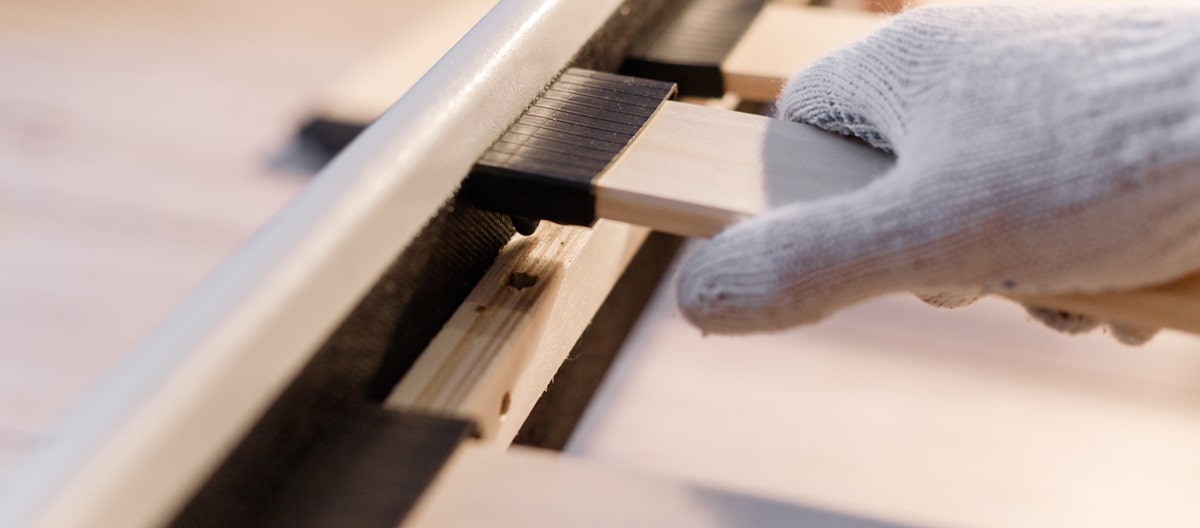
- Beds – Bed frames can be time-consuming to disassemble, especially when multiple pieces are involved. If you have a captain’s bed frame with drawers included, remove them without needing to take apart any other parts. On the other side, however, taking apart metal frames is made easier due to their structure, allowing them to break down into smaller and more easily transportable sections.
- Desks are generally small enough to fit through doorways, but you want to avoid the drawers and slide the keyboard tray popping out when moving. While you can use tape to keep the drawers and tray from moving, it’s easier just to remove them.
- Wardrobe & Dressers – Even if you have a smaller dresser, removing any drawers, shelves, or other unattached elements is a good idea. For wardrobes with mirrors, make sure you dismantle the mirror and pack it in bubble wrap to keep the glass from shattering.
- Tables – Dismantling a table is an effortless task. Unscrew the legs from the top. Securing them with tape is an excellent way to keep all the pieces together.
- IKEA Items – IKEA items are usually easy to assemble and dismantle, as they are intended to be lightweight and easy to move. Individual parts can be taken apart and placed in small boxes for moving.
Moving day doesn’t have to be a headache! Make the process smoother by pre-packaging all screws, nuts, and other small pieces in plastic bags. Attach them directly to your furniture – this will help keep everything together when ready for reassembly at your new home. Don’t leave anything behind.
Make your move smoother and more efficient by starting to plan. Generally, it takes a weekend if you are taking care of just a few items, but depending on how much there is to do, provide a timeline for each item.
Try to get assistance by hiring a professional removalist who can handle your furniture with care and you can also include a vacate cleaning for a reassuring and stress-free experience!
How to Put Furniture Back Together
When reassembling your furniture, the best approach is to refer to the manuals that initially came with each piece. However, if you no longer have access to the manuals, here are some helpful tips:
- Label zip bags: Organise the hardware, such as screws, bolts, and other components, in resealable bags. Label these bags based on the furniture they belong to. This makes it easy to identify which hardware is needed for each piece during reassembly.
- Document the disassembly: If you don’t have the manuals or want an additional reference, consider taking pictures or recording videos as you disassemble the furniture. These visual guides can be invaluable when it’s time to assemble everything.
- Don’t rush: Moving day can be pretty hectic, so it’s a good idea to postpone the reassembly to a more relaxed day when you’re well-rested. Begin with the furniture you need the most and follow the instructions in your manuals or video guides. You’ll quickly return your furniture to its original form with a patient approach.
Do-It-Yourself Furniture Disassembly Versus Enlisting Professional Help
You might consider hiring a professional to assist you when disassembling furniture, especially high-value, antique, or oversized pieces. Delicate and cherished items, such as family heirlooms or intricately designed furniture, may benefit from the expertise of a reputable moving company.
While opting to disassemble furniture can save you money, carefully weigh the costs and benefits. Some moving companies charge additional fees for disassembly services, and the potential savings can vary depending on the complexity of the furniture.
For relatively straightforward items like bookshelves or desks, you could save between $25 to $50 per hour by handling the disassembly yourself. Ultimately, the decision should be based on your specific furniture, budget, and comfort level with the disassembly process.
Guidelines for Children and Pets While Disassembling Furniture
Safety is paramount when disassembling furniture, especially when children and pets are around. To minimise potential hazards and ensure the well-being of your little ones and furry friends, it’s a good idea to plan.
Consider arranging a playdate for your kids or setting up a secure area where they can safely play and stay entertained while you focus on the furniture disassembly. This thoughtful approach will help reduce stress and create a safer environment for everyone during the moving process.
Furniture Care After Moving
After successfully reassembling your furniture, it’s essential to give it some post-move care. Here are a few maintenance tips:
- Check and Tighten: After a few days, review your reassembled furniture and check for any loose bolts or fasteners. Tighten them as needed to ensure everything remains secure.
- Polish and Clean: To refresh the appearance of your furniture, consider polishing and cleaning the surfaces. This will help keep your furniture looking its best in your new home, adding to the overall aesthetics of your space.
Guidelines for Storing Disassembled Furniture
Disassembling the pieces can be a practical strategy when storing furniture, as they take up less storage space. Ensure that the storage area is dry to prevent moisture damage, and consider using pest repellents to protect your furniture during storage.
If you discover that you’ve exhausted your available space, you can always consider renting one of our self-storage units at our facility, providing extra space and added security for your belongings.
Disassembling With Removalists
To ensure that you move your furniture safely and efficiently, it’s best to take the time to disassemble each piece. Every type of furniture has unique requirements for successful dismantling—and if yours is missing a manual or instructions, don’t wait any longer! Instead, enlist the help of professional movers who can tackle this job quickly and efficiently.
At Relocations WA, we offer an optional add-on furniture disassembly service. Contact us today for a free quote.
Moving house?

You might also like

Richest Suburbs in Perth: Where Interstate Movers Find Premium Living
We often speak with families, professionals, and downsizers who are moving to Perth because they want more than a new address. They want space, better lifestyle balance, beautiful beaches, access to the Swan…

Worst Suburbs in Melbourne: What You Should Know Before Relocating
Melbourne is one of Australia’s most popular relocation destinations, and it is easy to see why. It has strong job opportunities, great food, major universities, family-friendly pockets, and plenty of lifestyle variety. But…

Best Suburbs in Melbourne: Finding the Right Melbourne Suburb for You
Melbourne stands out as one of the world’s most livable cities thanks to its strong healthcare system, high-quality education, vibrant culture, reliable infrastructure, and overall stability. It currently ranks as the top city…




