



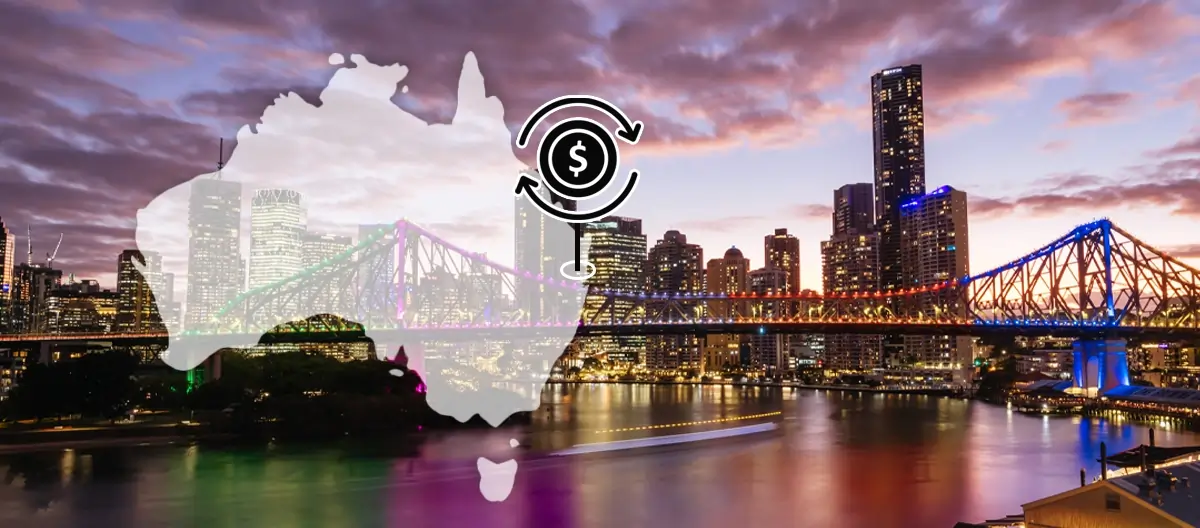
All You Need to Know About the Cost of Living in Brisbane
Author | Steve Blackwell
 relocationswa.com/about/steve-blackwell
 linkedin.com/in/steve-blackwell
So, you’re thinking of moving to (mostly) sunny Brisbane, where the sun shines for over 250 days in a year—guaranteed! If so, then you’re in for a real treat because, besides being the capital city of Australia’s ‘Sunshine State’ (i.e., Queensland), Brisbane was ranked No. 21 out of the 37 Gold Happiest Cities in the world in 2024.
Brisbane is the only city in the Land Down Under that made it to the gold category, although Melbourne (#41), Perth (#61), and Hobart (#87) made it to the Silver Cities group, while Sydney (#116) was included in the Bronze Cities category.
Besides the warm, sunny Brisbane clime, other perfect draws for people moving here are the city’s proximity to the beaches of the Gold Coast and Sunshine Coast, numerous parks, relatively affordable housing (especially when compared to homes in Sydney and Melbourne), and an overall family-friendly vibe.
Whatever your reason or motivation for moving here—a new job, long-term work assignment, desire for a change of scene, etc.—this is the guide you need for the cost of living in Brisbane. This way, you’ll know what budget you’ll have to prepare to live the life you’ve envisioned for yourself in this beautiful city.
Ideal Salary in Brisbane
Salaries in Brisbane generally range from AUD 74,000 to AUD 80,000 per year, but this can vary a lot depending on your job. Some roles pay as little as AUD 47,000, while higher-paying positions can go up to AUD 107,000 annually.
How Much Do You Need to Live Comfortably?
If you’re planning to move to Brisbane, here’s a rough idea of what you’ll need to earn for a comfortable life:
- Single Person: Expect to spend around AUD 3,600 to 5,100 per month on living expenses. A salary of at least AUD 75,000 per year is a good target for living comfortably.
- Family of Four: Monthly costs typically range from AUD 7,700 to 8,500. A combined household income of AUD 130,000 to AUD 150,000 should allow a family of four to live comfortably.
For those who’ve lived in bigger, more expensive cities (consider the cost of living in Sydney, for example), Brisbane offers a nice balance between affordability and quality city living. Relocating solo or with family should come easy, as Brisbane offers everyone interested in living here plenty of opportunities without the sky-high living costs in Melbourne and Sydney.
Also, if you have a fair idea of the general cost of living in Australia, you’ll know right away if you’re making a bold but good decision in choosing Brisbane.
The Pros and Cons of Living in Brisbane
Brisbane is a great place to live. As mentioned previously, there’s plenty of sunshine all year round. You’ll also have access to stunning beaches and enjoy a more affordable lifestyle compared to other popular Australian cities. But, like anywhere, it comes with its own drawbacks.
If you’re thinking of moving interstate to Brisbane or relocating internationally from another country, here’s a real-world look at what life here is like—the pros and the cons—so you know what to expect.
The Good Stuff
There are plenty of great things about living in Brisbane, some of which bear repeating.
- Sunshine and Weather: If you love warm weather, Brisbane more than delivers. The city’s almost 300 days of sunshine in a year makes it ideal for outdoorsy folks. Even in the middle of winter (July), daytime temperatures sit at a comfortable 21°C, so there’s no real need for layers of clothing.
- Beaches Nearby: Brisbane isn’t a beach city in and of itself. However, it’s located close enough to the Gold Coast and the Sunshine Coast. You can easily find world-class surfing and golden sands close by. This makes weekend beachside getaways a regular thing. For example, you can hit the waves at Surfers Paradise or relax in the laid-back Noosa region.
- More Affordable Housing: Compared to Sydney and Melbourne, Brisbane’s housing market is far more budget-friendly. You’ll generally get more space for your money whether you intend to rent or purchase a property. This affordability in real estate makes Brisbane a more attractive choice for anyone looking to settle down, minus the high property costs usually associated with urban centres like Melbourne and Sydney.
- Strong Job Market and Growing Economy: The Brisbane economy continues to grow, and there’s more demand for professionals inindustries like education, construction, mining, technology, tourism, and agriculture.
- Social and Cultural Scene: Ifyou’re into social and cultural events, there’s live music, art galleries, food festivals, and theatre performances for you. Fortitude Valley is the go-to spot for nightlife and entertainment, while South Bank is home to museums, outdoor markets, and cultural events. And because the city is multicultural, you’ll find amazing food from all over the world here.
- Outdoor Lifestyle: Like most of Australia, Brisbane is made for those with an active lifestyle. The city features several parks, hiking trails, and cycling paths, while the Brisbane River is the place to go for kayaking and paddleboarding. With the generally sunny weather, you’ll find Brisbane locals enjoying the outdoors all year round.
The Challenges
Similar to other Australian cities, it’s not all sunshine, roses, butterflies, and unicorns here. There are aspects of Brisbane life that some people find inconvenient and difficult to get over—not the least of which are the early closing hours of most food establishments. Most cafes close at around 3 or 4 PM; restaurants and bars close by 8 to 10 PM.
However, there are a few late-night options here, such as BrewDog Fortitude Valley and Agnes, also located in Fortitude Valley. The only 24-hour restaurant currently is the Pancake Manor on Charlotte Street (CBD).
There are other cons you also need to think about.
- Hot, Humid Summers and Storms: While the nearly year-round sunshine is great, Brisbane summers can be brutal. Temperatures often hit the mid-30s in degrees Celsius, and the humidity can make the weather feel even hotter than it actually is. So, if you’re not a fan of sticky, sweaty weather, summers here might take some getting used to. Storms, too, can roll in quickly, bringing heavy rain, lightning, and occasional hail.
- Traffic and Public Transport Frustrations: Like most big cities, peak-hour traffic can be a major headache, depending on where you live. Public transport (buses, trains, ferries) is available, but it might not be as efficient or well-connected as in Sydney or Melbourne.
- Flooding and Natural Disasters: Brisbane has a history of flooding, particularly in low-lying areas near the river. Cyclones and heavy rain can also impact the city, so this is something important to consider when looking for a place to live.
- Some Areas Feel More Suburban Than Urban: Brisbane is a sprawling city, and outside the CBD, many areas give off a quiet suburban vibe, which may be attractive to some but not to others who prefer livelier surroundings. This suburban feel is great for families, but if you’re looking for a fast-paced city atmosphere, you might find Brisbane a little too tame.
Living Expenses to Prepare For in Brisbane
Brisbane is a fantastic place to call home, but like anywhere, the cost of living depends on your lifestyle and where you choose to live.
Here’s a breakdown of the living expenses you should consider. Note that we will be going over each item in greater detail in this guide.
- Housing
- Utilities
- Food and dining out
- Transport
- Healthcare and insurance
- Leisure and entertainment
- Childcare and education
- Miscellaneous expenses
Housing Costs in Brisbane
Housing costs vary widely depending on location and size:
- A one-bedroom unit in the city will set you back by around AUD 400 to AUD 600 per week.
- If you’re happy to live in the suburbs, expect to pay around AUD 1,879 per month for a one-bedroom apartment.
To help you plan better, here’s a table showing current estimates on property for rent and sale in Brisbane:
| Unit Description | Average Price in AUD |
|---|---|
| 1-bedroom apartment in city centre (40 m2 or 430 ft2) for rent | 1443 per month |
| Cheap 1-bedroom apartment (40 m2 or 430 ft2) for rent | 1015 per month |
| 3-bedroom apartment in city centre (80 m2 or 860 ft2) for rent | 2386 per month |
| Cheap 3-bedroom apartment (80 m2 or 860 ft2) for rent | 1744 per month |
| Apartment price to buy in city centre, per 1 m2 or 10 ft2 | 7172 |
| House price to buy in the suburbs, per m2 or 10 ft2 | 4905 |
Remember that there will be price differences between apartments, townhouses, and standalone houses. If you’ll be renting, you also need to watch out for additional rental costs such as the bond payment, utility connection fees, and tenant insurance.
There are also the hidden costs of homeownership to be on the lookout for, like strata fees and flood insurance.
Utilities Costs in Brisbane
On top of rent or the cost of buying a home, you’ll need to factor in your household bills, which include electricity, water, internet connectivity, and mobile phone expenses.
Below are some averages you can use as a basis for budgeting.
| Item | Average Cost in AUD |
|---|---|
| Electricity | 140 and up |
| Water | 100 |
| Internet (depends on the speed and service provider) | 49 to 90 |
Mobile phone fees may come in the form of prepaid and postpaid plans:
- Prepaid plans start at AUD 27.
- Postpaid plans start around AUD 35.
- If you’re paying off a phone, expect closer to AUD 87 per month.

Food Costs in Brisbane
A major cost of living expense is food, so groceries and dining out can add up quickly.
Cooking your food would certainly be cheaper while affording you access to nutritious food, especially if you plan for well-balanced meals.
Here’s a list of common food items most people get from the supermarket and their average cost.
| Item Name | Average Price in AUD |
|---|---|
| Boneless chicken breast, 500g | 7 |
| Beef round, 1kg | 21 |
| Milk, whole fat,1 litre | 2.20 |
| Eggs, large, 1 dozen | 6.25 |
| Local cheese, 500g | 7 |
| Loaf of fresh white bread, 500g | 3.20 |
| Rice, 1kg | 1.9 |
| Tomatoes, 1kg | 5.39 |
| Apples, 1kg | 4.50 |
| Potatoes, 1kg | 3.66 |
| Bananas, 1kg | 3.50 |
| Oranges, 1kg | 3.80 |
| Onions, 1kg | 2.9 |
A typical grocery bill for an individual is estimated to cost around AUD 213 per week. If you love to grab a quick bite at an inexpensive restaurant, budget between AUD 13 and 30.
A nice dinner for two at a mid-range restaurant can cost you anywhere from AUD 65 to 200. Of course, your total bill will always depend on what you order or consume.
If you’re someone who can’t function without coffee, common items like cappuccinos, mochas, and lattes can set you back by around AUD 4 to 7 or higher. If you don’t mind cheaper options, you can go for budget-friendly coffee starting from AUD 2 in places like 7-Eleven where you can also get a discount if you bring a reusable cup.
Transport Costs in Brisbane
Getting around Brisbane is fairly affordable, especially if you use public transport.
Here’s a table that illustrates transport-related costs:
| Item Name | Average Cost in AUD |
|---|---|
| Local transport ticket, 1-way | 0.50 |
| Local transport, monthly ticket/pass | 40 |
| Taxi ride, 8km (daily rate) | 18 |
| Taxi trip on a business day, basic tariff, 8km | 30 |
| Gasoline, 1 litre | 1.85 |
If you choose to drive in Brisbane, besides preparing for the fuel costs, you also need to calculate for toll road charges, car insurance, registration, parking fees, and maintenance expenses.
Healthcare and Insurance Costs in Brisbane
Australians and permanent residents receive subsidised healthcare through Medicare. It covers:
- general practitioner (GP) visits
- public hospital treatments
- some prescription medications under the Pharmaceutical Benefits Scheme (PBS)
However, Medicare does not cover private specialist fees, dental care, physiotherapy, or ambulance services. A standard GP consultation without Medicare costs between AUD 80 and 120, while specialist appointments can range from AUD 200 to 500, depending on the doctor’s expertise and location.
The cost of private hospital stays differs widely, with costs exceeding AUD 1,000 per day without insurance. Private health insurance in Queensland starts at around AUD 120 per month for basic hospital cover, with comprehensive plans exceeding AUD 300 per month. Dental and optical care coverage are add-ons.

Education and Childcare Costs in Brisbane
If you have kids moving with you, the cost of childcare and education will certainly be something you’ll want to factor into your budget.
As with the rest of the country, public schools in Brisbane are government-funded, but parents still pay annual voluntary contributions for school supplies and excursions. Catholic schools charge as much as AUD 8,000 per year, while private schooling may cost you as high as AUD 30,000 or more annually.
Childcare fees range from AUD 70 to 200 per day, although you can save on this expense by as much as 95% if you’re eligible for government subsidies.
Lifestyle, Leisure, and Entertainment Expenses in Brisbane
Staying active in Brisbane comes easily as you have both cost-free and paid options to keep yourself entertained and fit.
You can engage in free and low-cost activities in places like South Bank Parklands, Mount Coot-tha Reserve, and the City Botanic Gardens, which include scenic spots for picnics and walks. The city’s museums and art galleries, such as QAGOMA, often have free exhibitions. Outdoor enthusiasts can visit nearby beaches or hike trails in the Glass House Mountains (around 70 kilometres away).
Paid fitness, leisure, and entertainment options include the following (with cost estimates):
| Item Name | Average Price in AUD |
|---|---|
| Tennis court rental for 1 hour | 28 |
| Gym or fitness club membership for 1 month | 75 |
| Movie ticket, standard | 22 |
| Music festival ticket | starts at 115 |
| Bars, nightlife spending | starts at 50 |
Nightlife spending can be quite expensive as cocktails cost around AUD 18 on average, while beer is at AUD 10 per pint or more. Add to this the cover charges at popular venues, which can charge as much as AUD 30 per person.
Miscellaneous Living Costs
Besides all the aforementioned expenses, there’s a range of miscellaneous items to add to your expense list. These include personal care and grooming costs, which cover your haircut or hairstyling expenses and any beauty treatments you regularly get.
Beauty services like mani-pedis, facials, and waxing treatments can cost a lot, depending on your choice of establishment. If you get massages every month or every other week, this expense can also affect your budget significantly.
Subscription services are another common household expense. Streaming platforms like Netflix, Disney+, and Amazon Prime cost around AUD 10 to 25 per month (this depends on the package you choose). If you use fitness apps and subscribe to online training or nutrition programs, you may need to spend an additional AUD 15 to 50 monthly.
If you have fur babies or own pets, this comes with ongoing expenses. You have to factor in the cost of routine vet check-ups, vaccinations, spaying or neutering (at a certain age), and emergency treatments. Pet insurance starts at approximately AUD 30 per month, while grooming services for dogs and cats range from AUD 50 to 150 (the actual cost will depend on the breed and coat length).
Moving Costs and Tips to Save on Your Relocation
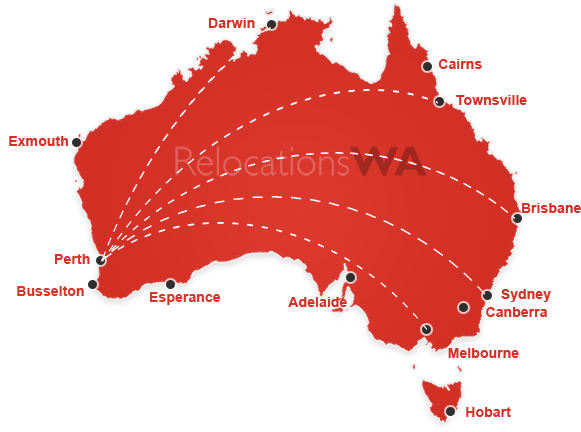
Moving to Brisbane comes with various costs that can quickly add up, so always plan a few months ahead of your intended move. Major expenses include the cost of hiring Perth to Brisbane removalists (or hiring movers wherever you’re coming from), transportation (by land or air), storage, and temporary accommodation in case you need to wait before moving to your new home.
The cost of moving depends on factors such as:
- distance
- volume of belongings
- level of service required
- time of the move (peak season and weekend moves cost more)
A typical interstate move from Sydney or Melbourne can cost around AUD 2,000 to 3,500. Opting for a DIY move by renting a truck can be more affordable, but you’ll also be spending more on fuel and labour.
You also need to budget for additional expenses like packing supplies (e.g., boxes, tape, bubble wrap, etc.). If you’re moving out of a rental property, you may need to book professional cleaning services to get your bond.
To save on your move to Brisbane, consider these tips:
- Declutter to eliminate unnecessary items. This will not only reduce the volume of goods you’ll be moving but also afford you the chance to check if there’s anything you can sell or give away.
- Compare quotes. Conduct research and make a list of prospective removalists and get quotes from your top choice to compare.
- Book a removalist way ahead of your moving schedule. The earlier you can secure the services of a trusted removalist, the higher the chance of getting a good rate or discount.
- Use free or recycled items for packing your possessions. Collect boxes from grocery stores (make sure they’re sturdy), use old newspapers and scratch paper for wrapping, and ask friends for any spare supplies.
- Ask for help. If your moving budget is limited, get help from friends and family members in packing your regular stuff. Do this weeks ahead of your move to avoid packing things in haste. Fragile and big-ticket items may be better handled by experts or by you.
Have a Smooth Move to Brisbane With Relocations WA
Relocating to Brisbane or anywhere in Australia is a major life event, so you need to dedicate time to careful planning. You’ll have to allocate a budget for moving expenses as well as for managing living costs in your new neighbourhood during the first few months.
Hiring a professional removalist like Relocations WA can simplify the process.
With an expert moving partner, you can enjoy a stress-free relocation (even on a long-distance move) while saving time and effort.
If you’re planning a move to Brisbane from another state, contact Relocations WA for expert assistance in a range of services, including packing and unpacking, pet transport, household, furniture, and international removals, and so much more.
With the Relocations WA team, you can focus on adjusting to your new home in Brisbane.
Thinking of moving from another city or country?
We also have guides on the cost of living in Perth, Sydney, Melbourne, and other Australian cities, as well as international comparisons like our UK vs Australia cost of living article.
Contact us today for your inquiries or to get a moving quote!
Moving house?
You might also like

Richest Suburbs in Perth: Where Interstate Movers Find Premium Living
We often speak with families, professionals, and downsizers who are moving to Perth because they want more than a new address. They want space, better lifestyle balance, beautiful beaches, access to the Swan…
Worst Suburbs in Melbourne: What You Should Know Before Relocating
Melbourne is one of Australia’s most popular relocation destinations, and it is easy to see why. It has strong job opportunities, great food, major universities, family-friendly pockets, and plenty of lifestyle variety. But…
Best Suburbs in Melbourne: Finding the Right Melbourne Suburb for You
Melbourne stands out as one of the world’s most livable cities thanks to its strong healthcare system, high-quality education, vibrant culture, reliable infrastructure, and overall stability. It currently ranks as the top city…




