





The Weather & Sunniest Places in the UK: Where to Find the Most Sunshine Year-Round


Author | Steve Blackwell
 relocationswa.com/about/steve-blackwell
 linkedin.com/in/steve-blackwell
When choosing the best places to live in the UK, the weather plays a bigger role than many people realise. The UK climate determines your daily routine and wardrobe, the amount of time you spend outside, and even the type of property you live in. For some, mild winters are a priority; for others, the best weather in the UK means finding a spot with more sunshine and less rain.
The popular image of “rainy Britain” isn’t the whole story. The drizzle can be heavier somewhere, of course, but there are plenty of sunny places and even rivals some of the warmest places in England. The climate of England and the broader climate of the UK vary greatly between coastal and inland areas, north and south—meaning your experience of England’s weather can be completely different depending on where you live.
If you’re planning a move, understanding what the climate in England is really like will help you find a location that offers not just a home, but the lifestyle you’re looking for.
Check our Overseas Moving Checklist for a smooth international transition.
Overview of UK Weather
The temperate maritime climate makes the UK weather changeable. Being surrounded by the sea on all sides, the weather in the UK is generally mild, rather than extreme. The summers are not as hot, and the winters are not as cold, compared to many countries at the same latitude.
Seasonal Breakdown
- Winter (December–February): The weather in England, along with the rest of the UK, is typically cool and wet, with average temperatures ranging between 2°C and 7°C. Snow is rare in the south but more common in Scotland and at higher altitudes.
- Spring (March–May): This is a comfortable season, characterised by milder temperatures and longer days. The best weather in the UK typically begins to appear in late spring, marked by blossoming flowers and fresh greenery.
- Summer (June–August): The warmest season, with average high temperatures of 18°C and 25°C in southern England. The England weather in summer can be glorious, especially along the south coast, where sunshine hours are higher.
- Autumn (September–November): Colder and more frequent rain showers. The sea tends to keep the coasts milder for longer periods.
Why the Weather Varies So Much Regionally
The weather in England and across the UK varies significantly from one location to another due to geography, prevailing wind patterns, and proximity to the coast. Atlantic winds bring wetter conditions to the west, while eastern and inland areas often enjoy drier days. Coastal locations can also have milder winters and cooler summers compared to inland regions.
Being familiar with these patterns is what will help you discover the best weather in the UK. If you are moving to warmer locations abroad or need to enjoy a mild and dry day, this knowledge will be beneficial.
The Sunniest Places to Live in the UK
While the UK has a reputation for unpredictable weather, certain areas in the country receive substantially more sunshine each year than the national average. Many of these areas benefit from south-facing coastlines, shelter from surrounding hills, and warm ocean influences, giving them both higher sunshine hours and milder UK winter temperatures.
For anyone relocating, these spots can offer the best weather in the UK and a lifestyle built around outdoor living.
These are from the Met Office weather stations. View the map here and read how the Met Office measures sunshine and radiation here.
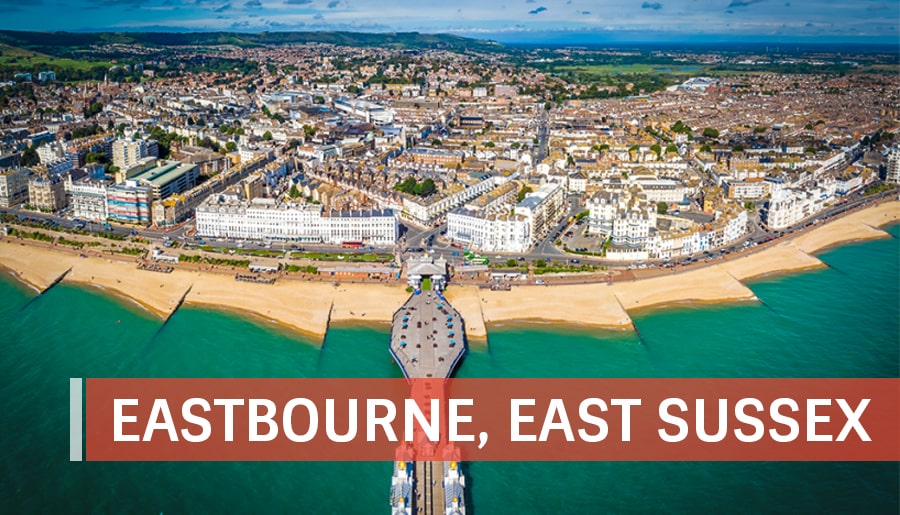
Eastbourne, East Sussex
- Average annual sunshine: ~1,870–1,900 hours
- Population: ~101,000
Thanks to its sheltered position beneath the South Downs, this seaside town benefits from a microclimate that shields it from heavy rain and cold winds. The area’s attractive tourist attractions include the dramatic cliffs of Beachy Head, the Victorian pier, and the South Downs National Park.
It is particularly appealing to retirees because it is safe, has good health facilities, and a rich cultural environment, with long summer days to walk, play tennis, and enjoy seaside leisure.
Check more here: Eastbourne
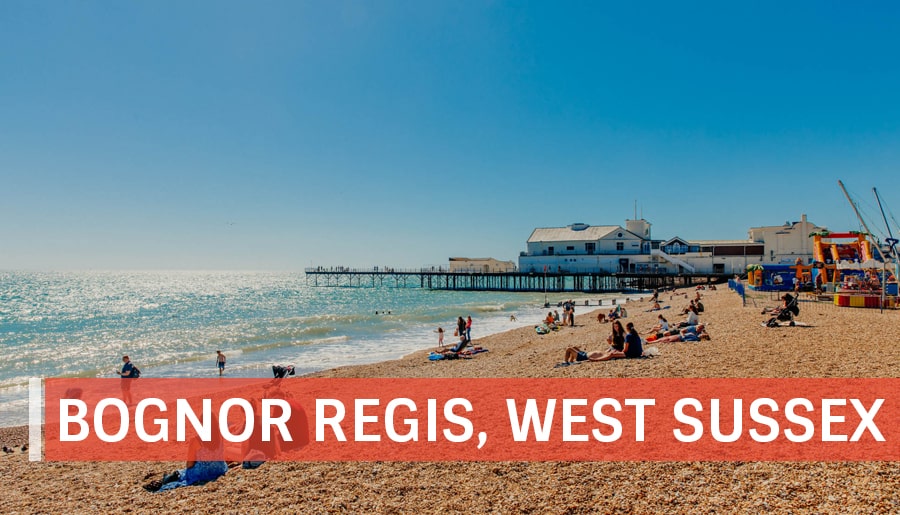
Bognor Regis, West Sussex
- Average annual sunshine: ~1,920 hours (often called the UK’s sunniest town)
- Population: ~64,000
It is often referred to as the UK’s sunniest town. Its south-facing seafront and the protection of the South Downs create a warm and bright climate. Attractions include the Bognor Promenade, Hotham Park, and the nearby Chichester Harbour.
Check more here: Bognor Regis

Isles of Scilly, Cornwall
- Average annual sunshine: ~1,750–1,800 hours
- Population: ~2,200
The Isles of Scilly, situated in the Atlantic Ocean, experience moderate temperatures and very little frost. Visitors are drawn to Tresco Abbey Gardens, the white sandy beaches, and St. Mary’s Harbour. Life at this place is serene; winters are mild, and the scenery is breathtaking.
Check more here: Isles of Scilly
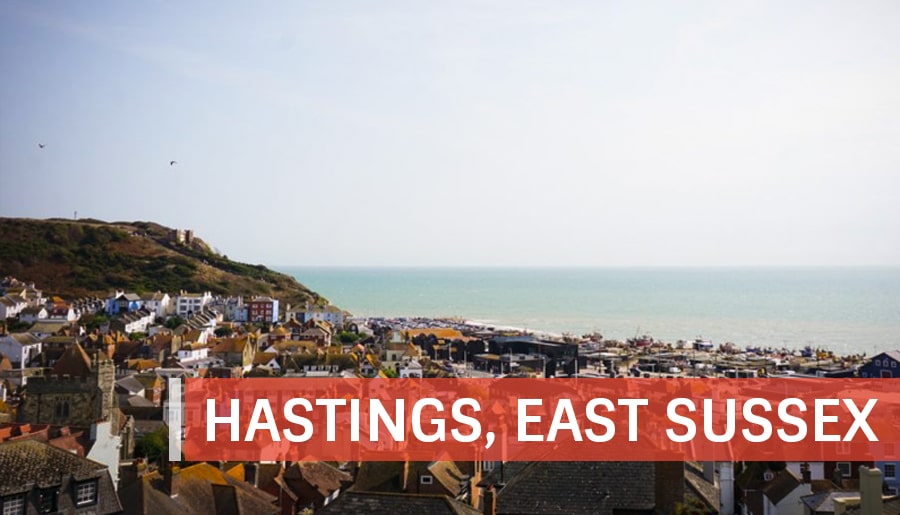
Hastings, East Sussex
- Average annual sunshine: ~1,800 hours
- Population: ~92,000
Hastings, East Sussex, on the south coast, experiences fewer Atlantic rain clouds than the west, resulting in more dry and bright days for its residents. Attractions include Hastings Old Town, the fishing quarter, Hastings Castle, and its lively seafront pier. The town is a blend of history, seaside life, a blossoming arts scene, and proximity to the countryside and the coast.
Check more here: Hastings

Weymouth & Dorset Coast
- Average annual sunshine: ~1,850 hours
- Population (Weymouth): ~54,000
On the Dorset coast, Weymouth enjoys about 1,850 hours of sunshine each year, with its 54,000 residents benefiting from a south-facing bay that captures sunlight all day long. Its highlights are the Jurassic Coast, Nothe Fort, and Weymouth Harbour. The region is also visited by water sports enthusiasts, families, and individuals who enjoy coastal strolls and breathtaking scenery.
Check more here: Weymouth

Bournemouth, Dorset
- Average annual sunshine: ~1,780–1,800 hours
- Population: ~198,000
Bournemouth, also in Dorset, enjoys a sheltered location on the south coast, wide sandy beaches, and a sunny aspect. Tourist favourites include Bournemouth Beach, the Lower Gardens, and the Oceanarium. A strong economy, universities, vibrant nightlife, and warm summers make Bournemouth an attractive destination for both younger professionals and families.
Check more here: Bournemouth

Swanage, Dorset
- Average annual sunshine: ~1,850 hours
- Population: ~9,600
Nestled on the Isle of Purbeck, Swanage, Dorset, is protected by surrounding hills. The Swanage Railway, Durlston Country Park, and Sandy Bay beach draw visitors year-round. Residents enjoy a small-town atmosphere with direct access to the heritage coastline and the Dorset countryside.Walton-on-the-Naze, Essex
Check more here: Swanage
- Average annual sunshine: ~1,750–1,800 hours
- Population: ~12,000
Walton-on-the-Naze, in Essex, is positioned on England’s eastern coast, giving it a drier climate than the west. Visitors can explore the Naze Tower, Walton Pier, and its sandy beaches. With affordable coastal properties and a quiet lifestyle, it’s a good option for those seeking warm summers and a slower pace of life.
Check more here: Walton-on-the-Naze
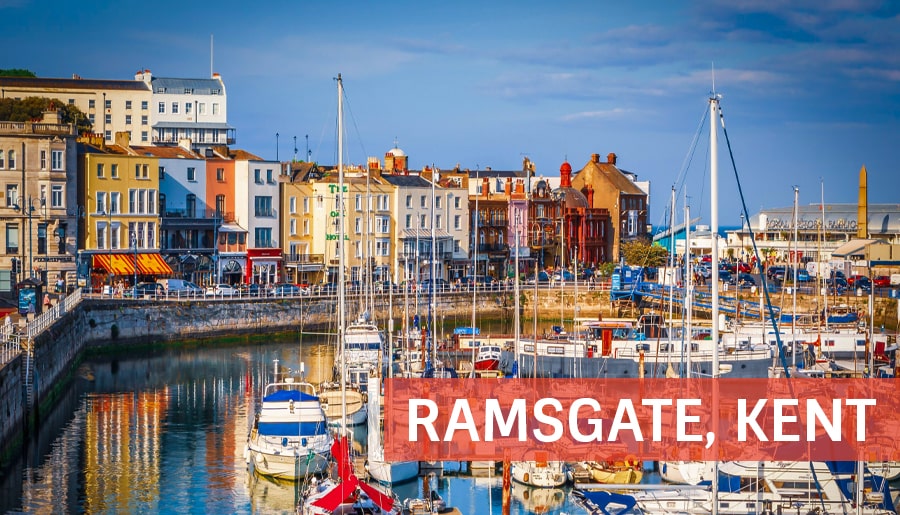
Ramsgate, Kent
- Average annual sunshine: ~1,800 hours
- Population: ~40,000
Ramsgate, Kent, is located in the southeast and benefits from drier airflows from mainland Europe. Popular attractions include the Royal Harbour Marina, Ramsgate Tunnels, and sandy beaches. It’s a historic harbour town with excellent rail links to London and easy access to France via the Dover ferry.
Check more here: Ramsgate

Southend-on-Sea, Essex
- Average annual sunshine: ~1,770 hours
- Population: ~182,000
Southend-on-Sea, in Essex, enjoys roughly 1,770 hours of sunshine annually and has a population of around 182,000. Its dry southeast climate means fewer rainy days than the UK average. Southend Pier, Adventure Island theme park, and coastal walks are local favourites. The town offers a blend of city and seaside living, strong transport connections, and a lively nightlife scene.
Check more here: Southend-on-Sea
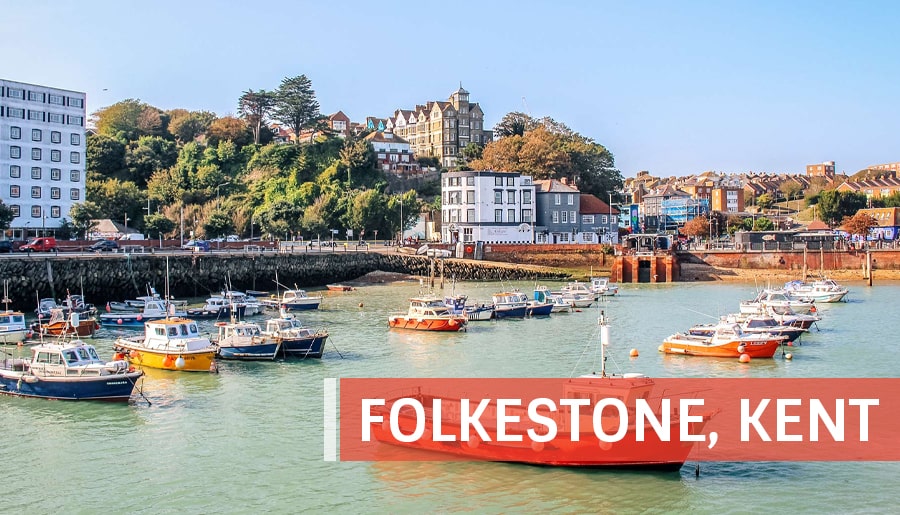
Folkestone, Kent
- Average annual sunshine: ~1,780 hours
- Population: ~47,000
Folkestone, located in Kent’s southeast, catches warm continental air in the summer, adding to its appeal. Visitors can explore the Creative Quarter, Leas Promenade, and the nearby White Cliffs of Dover. Folkestone offers more affordable housing compared to London, along with high-speed rail links to the capital.
Check more here: Folkestone
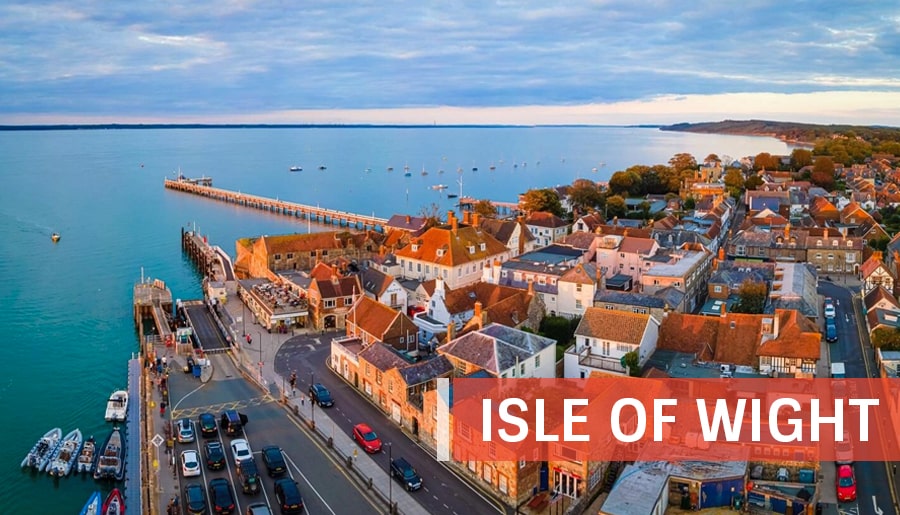
Isle of Wight
- Average annual sunshine: ~1,800–1,850 hours
- Population: ~140,000
The Isle of Wight, situated just off the coast of Hampshire, benefits from a mild maritime climate and is often warmer and sunnier than mainland southern England. Popular attractions include The Needles, Osborne House, Shanklin Beach, and the scenic coastal paths.
The island offers a slower pace of life, charming villages, and a wealth of outdoor activities, making it an ideal destination for retirees, families, and those seeking the best weather in the UK.
Check more here: Isle of Wight
Summary
| Location | Average Annual Sunshine Hours | Population | Key Attractions |
|---|---|---|---|
| Eastbourne, East Sussex | 1,870–1,900 | 101,000 | Beachy Head, Victorian Pier, South Downs National Park |
| Bognor Regis, West Sussex | 1,920 | 64,000 | Bognor Promenade, Hotham Park, Chichester Harbour |
| Isles of Scilly, Cornwall | 1,750–1,800 | 2,200 | Tresco Abbey Gardens, white sandy beaches, St. Mary’s Harbour |
| Hastings, East Sussex | 1,800 | 92,000 | Hastings Old Town, fishing quarter, Hastings Castle, pier |
| Weymouth, Dorset | 1,850 | 54,000 | Jurassic Coast, Nothe Fort, Weymouth Harbour |
| Bournemouth, Dorset | 1,780–1,800 | 198,000 | Bournemouth Beach, Lower Gardens, Oceanarium |
| Swanage, Dorset | 1,850 | 9,600 | Swanage Railway, Durlston Country Park, sandy bay beach |
| Walton-on-the-Naze, Essex | 1,750–1,800 | 12,000 | Naze Tower, Walton Pier, sandy beaches |
| Ramsgate, Kent | 1,800 | 40,000 | Royal Harbour Marina, Ramsgate Tunnels, sandy beaches |
| Southend-on-Sea, Essex | 1,770 | 182,000 | Southend Pier, Adventure Island, coastal walks |
| Folkestone, Kent | 1,780 | 47,000 | Creative Quarter, Leas Promenade, White Cliffs of Dover |
| Isle of Wight | 1,800–1,850 | 141,000 | The Needles, Osborne House, Shanklin Beach, coastal paths |
Balancing Sunshine With Other Living Factors
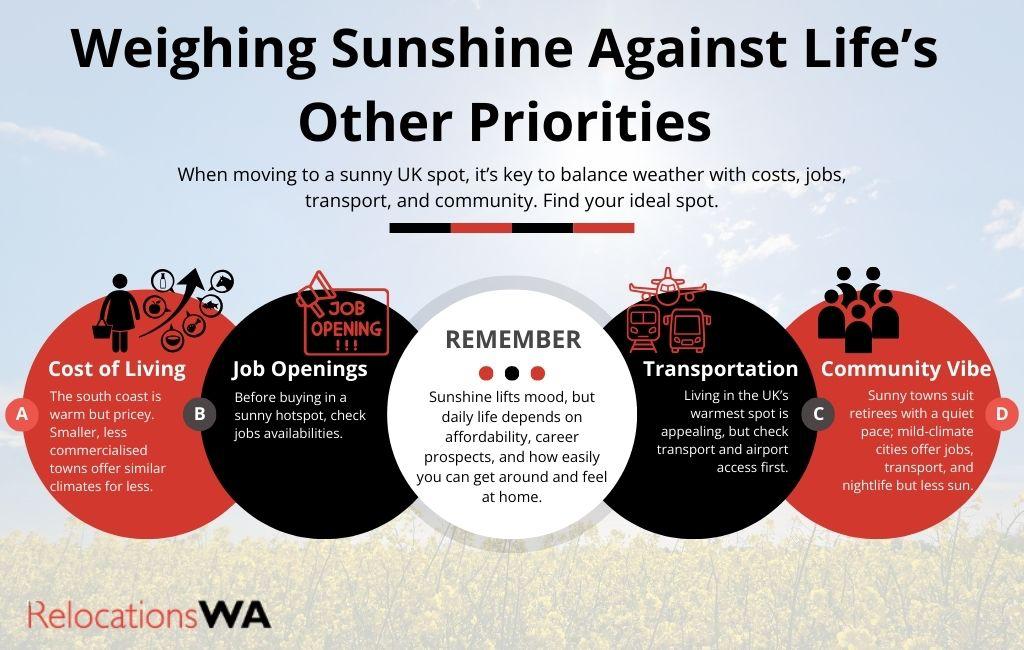
When deciding to move internationally to one of the sunny places or even the sunniest place in the UK, it’s important to balance good weather with other aspects of daily life. Although the best weather in the UK can brighten your day and help you stay outdoors, factors such as the cost of living, employment opportunities, transportation, and local community environment also play a significant part in overall happiness in the long term.
Cost of Living in Sunny Regions
Areas like the south coast of England can be among the warmest places in the UK, but they often come with overpriced properties due to their popularity. Towns with the best weather in England, such as Eastbourne and Bognor Regis, attract retirees and second-home buyers, leading to a rise in housing demand.
There are smaller seaside towns or less commercialised places that may offer cheaper options to enjoy, while benefiting from a similar UK climate.
Find out how different the cost of living is in Australia vs The UK.
Employment Opportunities & Commuting
Before choosing a home in the warmest place in England or another sunshine hotspot, check the local job market.
Tourism, hospitality, and seasonal employment are the primary sources of income for many coastal towns. And in case you are required to commute, ensure that there are stable, regular lines of transport to the neighbouring cities.
This is especially important if you work in areas where the weather in England isn’t your top priority, but proximity to employment is.
Transport Links & Accessibility
How great it would be to live in the warmest place in the UK, but it is wise to take a closer look at how easy it will be to move around. The extent of rail links along the coast or the speed of road linkages varies. In the case of foreign entrants, accessibility to major airports can also influence your decision, especially when you intend to travel frequently between different UK climate zones.
Community Vibe: Retirement Towns vs Bustling Cities
Many areas with the best weather in the UK are popular with retirees, offering a slower pace of life, quiet neighbourhoods, and community events. These smaller towns tend to be friendly, close-knit, and often lack the activities and cultural diversity found in larger cities, such as nightlife.
Conversely, choosing a city with a relatively mild climate, such as those in the southwest of England, offers a wider range of career options, superior transportation, and a more varied social life. It can be had at the price of tolerating a little less sunshine.
Ultimately, when considering a move from WA to the UK for the weather, it’s worth weighing lifestyle needs against the benefits of the climate. The United Kingdom climate varies greatly, and finding the right balance between sunny days, affordability, job prospects, and community will help you choose a location where you can thrive year-round—whether you’re seeking the sunniest place in the UK or simply a mild, pleasant UK winter temperature that makes daily life enjoyable.
Weather Challenges to Consider When Moving
While the best weather in the UK can be a significant draw when choosing a new home, even the sunniest places in the UK come with their quirks. These difficulties will help you better understand the realistic expectations of the UK climate, allowing you to adjust to your new environment with greater ease.
Coastal Weather Quirks
If you move to one of the sunny places along the coast, you may encounter sea mist, salty air, and stronger winds. These conditions are common in the climate of England’s coastal towns, especially during seasonal changes.
While they don’t ruin the overall appeal of the warmest place in the UK, they may easily impact visibility, outdoor activities, and even property maintenance (salt air can be harsh, even on paintwork and windows).
Seasonal Tourism Impact
Many locations with the best weather in England are also tourist magnets. Places like Weymouth, Eastbourne, or Bognor Regis can get crowded in summer when England’s weather is at its warmest and driest.
This may translate into busier roads, longer lines and higher prices in peak season. On the other hand, they can often feel peaceful during the cooler seasons, but several shops and attractions may shut down till the next good weather in the UK sets in.
Winter Daylight Hours
Even if you choose the warmest place in England, the UK winter temperature and daylight length will still be factors. In December, most of the UK experiences only 7–8 hours of daylight, and in the far north, it can feel darker much earlier.
For newcomers wondering “how cold does it get in England?” — winters are generally milder than in many parts of Europe, but temperatures can still drop close to freezing. The shorter days can be an adjustment, especially if you’re coming from a country with more year-round sunlight.
Tips for Settling Into a New UK Climate
It may take some time to adjust to the temperature and UK climate, especially when coming from a country with more varied weather or one with constant heat. Even in the sunniest place in the UK, you still get a cocktail of weather conditions; you get windy days at the coast as well as rainy winter mornings. If you know how to plan and adjust, then the transition will not be as difficult, and you will be able to enjoy the best weather in the UK when it arrives.
Clothing and Home Preparation
The climate of England is often mild but can be unpredictable. Invest in:
- Layered clothing so you can adapt to sudden changes in England weather.
- A high-quality waterproof jacket to handle the rain showers common in the UK.
- Draught-proofing for your home to keep out cold winds during the UK winter temperatures.
If you’re living in a coastal area—often where the warmest place in the UK can be found—sea breezes can be refreshing in summer but chilly in winter, so having extra insulation and a warm throw for evenings is a good idea.
How to Make the Most of Sunny Spells
Even in the warmest place in England, sunny days can be unpredictable. The trick is to be spontaneous—plan picnics, beach trips, or hikes when the forecast looks promising. Many people moving to the UK learn to check the weather on UK apps daily so they can make the most of dry, bright conditions.
Areas with the best weather in England often have outdoor events and markets timed for summer months, so keeping an eye on the local calendar can help you enjoy the UK climate to the fullest.
Outdoor Hobbies Suited to the UK Climate
The climate of the UK is ideal for certain plants and outdoor activities that thrive in mild conditions. Gardening enthusiasts can enjoy growing roses, lavender, and even some Mediterranean herbs in southern regions with the best weather in the UK. In wetter areas, lush green lawns and hydrangeas flourish.
For outdoor hobbies, walking, cycling, sailing, and coastal foraging are popular, especially in sunny places along the south and southwest coasts. Even in cooler months, the mild England climate conditions allow for year-round walking trails and countryside exploration—just bring the right gear for the weather in England.
Adjusting to the climate in England is all about embracing dynamicism: blue skies on the beach, and cloudy nights for some indoor, secluded time to kick-start indoor interests. Having the right frame of mind and preparation, you will be able to make it anywhere you go in the climate of the UK.
Easy Move to The Sunniest Place in The UK with Relocations WA
The UK climate is diverse, and it is essential to understand how the weather influences one’s way of life when deciding on a place to reside. From the sunniest place in the UK on the south coast to the warmest place in England in the southwest, climate can influence everything from your daily routine to your social life.
The regions with the best weather in the UK are popular among those people who seek a more outdoor lifestyle. In contrast, regions with relatively mild weather conditions but still sunnier than previous ones may be more desirable to people who hope to enjoy a better balance between the comfort of their stay and the convenience of activities.
Before deciding, it’s worth exploring locations in person—feel the sea breeze in a sunny coastal town, experience the crisp mornings of the countryside, and see for yourself what the climate in England is really like in different seasons. The UK might be a rainy place, but the right place may provide those with sunshine, temperate weather, and an exceptional quality of life.
If you’re moving from Australia to the UK, Relocations WA can help make the process seamless. Whether it is packing and shipping or settling into your new house, we have the experience to cover all that, so you can spend time searching for the right place that fits your lifestyle and the weather in the UK.
Ready to start your UK move? Contact Relocations WA today to plan your relocation and start your journey to a new life in the UK, where you’ll find the right climate, community, and comfort.
Moving house?
You might also like

Richest Suburbs in Perth: Where Interstate Movers Find Premium Living
We often speak with families, professionals, and downsizers who are moving to Perth because they want more than a new address. They want space, better lifestyle balance, beautiful beaches, access to the Swan…

Worst Suburbs in Melbourne: What You Should Know Before Relocating
Melbourne is one of Australia’s most popular relocation destinations, and it is easy to see why. It has strong job opportunities, great food, major universities, family-friendly pockets, and plenty of lifestyle variety. But…

Best Suburbs in Melbourne: Finding the Right Melbourne Suburb for You
Melbourne stands out as one of the world’s most livable cities thanks to its strong healthcare system, high-quality education, vibrant culture, reliable infrastructure, and overall stability. It currently ranks as the top city…




