




Moving with Dogs: Your Practical Guide

Author | Steve Blackwell
 relocationswa.com/about/steve-blackwell
 linkedin.com/in/steve-blackwell
When it comes to dogs and moving to a new home it can be stressful for both you and your pup. The good news is that there are some things that you can do to make the move easier on both of you!
Read this practical guide full of helpful tips including what to pack for them and how to help your puppy adjust to the new home, to ease their anxiety. Before we jump into the topic, we thought you might also be interested in our other resources about moving with pets.
More Resources for Moving with Pets
➜ Interstate Pet Transport Price Guide
➜ Main Considerations When Moving with Pets
➜ Moving House with a Cat: Your Practical Guide
Without further ado, here is the most comprehensive guide to moving with a dog.
Why Moving House with a Dog Can Be Tricky
Moving can be a joyous adventure for humans but a stressful experience for our canine companions. Their world revolves around familiar routines, scents, and sights. Packing boxes, unfamiliar furniture, and the hustle and bustle of dog moving day disrupt their daily rhythm, leaving them confused and anxious.
Car rides can be a source of stress, especially when moving dog. On top of that, the new house presents a new set of challenges – unfamiliar sounds, smells, and a yard or neighbourhood to explore, which can heighten their escape risk.
Moving house with a dog requires extra planning and patience, but with a little effort and understanding, you can help your furry friend adjust to their new home and create a happy, secure environment.
Before Moving House With a Dog
- Let your pup get used to being inside a kennel, carrier, or pet crate while you are driving around your neighbourhood or for a couple of kilometres. Doing so will help your dog feel comfortable and safe in their designated container. This training is also helpful in alleviating dog moving anxiety and for preparing your pup for longer drives via land transport. You can also try covering the carrier with a blanket to help calm your pup.
- Pack things that will help your pup feel at home. This could be their bed, pillow or blanket and their favourite toy. Your pooch needs something familiar to handle all this change.
- Give your dog the chance to visit the new home before moving in. This will help it get used to the new surroundings and not feel anxious when it’s in an unfamiliar space for too long.
- Ask friends or family members if they have any pet crates that you can borrow before purchasing one yourself. The last thing you want to do is buy something and then only use it once!
- Stock up on kibble, treats, water and other supplies for your pup so that they don’t go hungry and make sure there is plenty of fresh drinking water.
- Put together a moving supply kit so that you can pack up all the things you’ll need while making this transition easier: leashes, food bowls, pooper scooper, etc…
On Moving Day: Tips to Ease Dog Moving Anxiety

- If you don’t have time to look after your dog, ask neighbours, family or friends to look after your best furry friend as it could cause anxiety when removalists start moving furniture. Also, your dog could be in in the way of the removalists or in harm’s way if heavy and sharp objects are moved.
- Be mindful of your pup during this time. Try not to make the move too stressful for them by opening and closing doors or scaring them with loud noises like vacuum cleaners.
- While moving, make sure to leave plenty of water, food and dog poop bags available to them at all times!
- When the removalists arrive, try to make your dog feel welcome by giving them a treat. Leave some things out that are familiar and might be comforting for them, like their bed or toys.
After the Move: How to Help Your Dog Adjust to The New Home
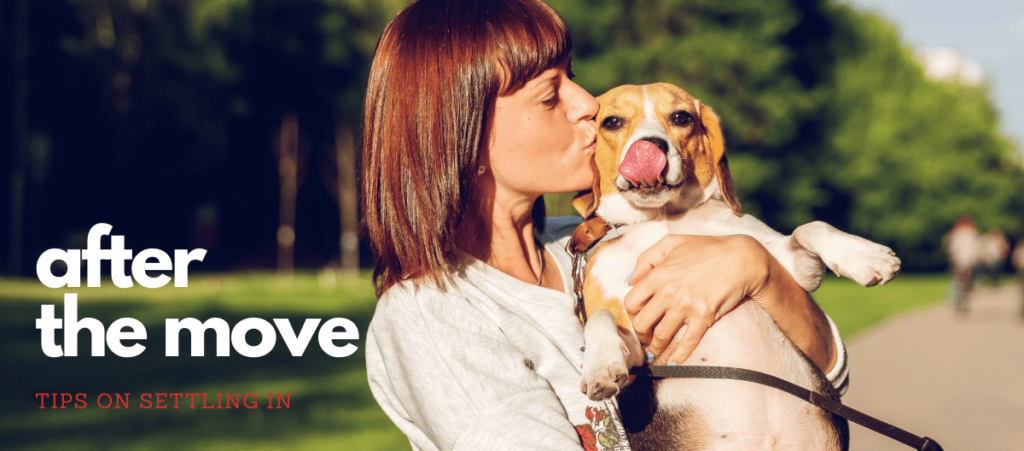
It’s a known fact that dogs take time adjusting to a new home and environment. Dogs can be anxious in the new home as they’re in unfamiliar territory. To calm your furry friend down, take a look at our list of the best tips on how to help your dog adjust to the new home:
- Give yourself time to adjust by spending days with just putting down furniture before moving any boxes inside. Try not to bring too many things into the new home all at once, this will help avoid overwhelming your pup who is already dealing with change.
- Introduce Fido to his new neighbourhood! Take him on walks around your neighbourhood until he is comfortable enough to venture out on his own without an owner present for supervision.
- Keep an eye on them during the first few days after moving and make sure they’re eating well; travelling can affect appetite for both people and dogs alike. If necessary, feed smaller portions more often so your furry friend doesn’t get too hungry too quickly.
- Be very careful when carrying out any DIY work near areas where your dog might frequent – paint fumes are toxic to pets’ sensitive noses just like ours!
- Be sure to take care going through doors which may startle your canine companion if there are sharp objects on either side (elevators with doors opening into the elevator shaft being a typical example).
- Always keep your dog on lead until you are confident that they will be safe outside without supervision.
- Ensure there is nothing in their environment which may trigger aggression such as other dogs or cats and remember to keep them well away from any moving vehicles too!
- Avoid leaving your dog unattended for long periods of time if possible, even when indoors; this means going out every couple of hours just to give them some company. If you do have to leave them alone then make sure they’re comfortable and familiar inside before doing so.
- New smells can induce anxiety amongst dogs especially if its furniture placed in unfamiliar positions. Thus, if you are planning on buying new furniture, it’s best to settle in for at least one week before purchasing new home furnishings.
- Keep the same routine for feeding, walking, and spending time with it at least once a day. This will help keep your dog as comfortable and happy as possible in its new surroundings.
How Long Does It Take for a Dog to Adjust to a New Home
Moving to a new house is exciting, but it can be a whirlwind of unfamiliar sights, smells, and routines for our canine companions. While every dog adjusts at their own pace, there are some general timelines to keep in mind:
The 3-3-3 Rule: This handy rule suggests a loose timeframe for a dog’s adjustment:
- 3 Days: The initial shock phase. Your dog might be withdrawn or cautious, exploring their new surroundings tentatively. Be patient and offer them plenty of quiet time and familiar comforts.
- 3 Weeks: Settling in. They may become more comfortable exploring and interacting with you. Keep routines consistent and provide positive reinforcement for good behaviour.
- 3 Months: Feeling at home. By this point, your dog should be fully adjusted to the house, routine, and your family.
Factors Affecting Adjustment Time when Moving House with a Dog
- Age: Puppies adapt quicker than adult dogs, especially those in multiple homes.
- Temperament: An outgoing, confident dog will likely adjust faster than a shy or anxious one.
- Background: Dogs from shelters or with past traumas may take longer to feel secure.
Remember, these are just guidelines. If you have concerns about your dog’s adjustment, consult a veterinarian or animal behaviourist for personalised advice.

Signs Dog Is Adjusting to New Home
Bringing a dog into a new home is exciting but can also be stressful for your furry friend. A new environment with unfamiliar sights, smells, and routines can be overwhelming. Luckily, there are signs the dog is adjusting to a new home.
Body Language
- Relaxed Posture: Good signs are a loose, wiggly body and a lowered tail. Stiffness, tucked tails, or excessive yawning can indicate anxiety.
- Curiosity and Exploration: A dog sniffing around confidently and checking out all the nooks and crannies feels comfortable enough to explore.
- Affectionate Behaviour: Does your dog greet you with a wagging tail and happy licks? This shows that it feels safe and secure with you in its new surroundings.
Routine and Habits
- Eating with Enthusiasm: A healthy appetite is a sign that your dog is settling in.
- Playing and Engaging with Toys: If your dog is back to its playful self, it feels more comfortable and less stressed.
- Sleeping soundly: Relaxed sleep throughout the night suggests your dog feels safe and secure in their new environment.
Interaction with You
- Following You Around: While constant shadowing can be annoying, it can also indicate that your dog is happy to have you near and feels more secure in your presence. This behaviour should lessen as they adjust.
- Seeking Attention: Playtime requests, cuddles, and happy barks are all signs your dog is bonding with you and feels comfortable initiating interaction.
- Potty Training Progress: Accidents can happen during the adjustment period, but if your dog is mostly housebroken again, it shows they’re getting the hang of the new routine.
Remember:
These signs may not appear all at once, and dogs adjust at their own pace. If you’re concerned about your dog’s adjustment, consult a veterinarian or animal behaviourist for personalised advice. You can help your dog feel happy and secure in its new home with patience, understanding, and a little extra TLC.
Addressing Behavioral Issues when Moving House with a Dog
Here’s how to help your furry friend adjust and keep your new home a haven for everyone when moving dog.
Spotting the Signs of Stress
The first step is recognising the signs of a stressed pup. Keep an eye out for:
- Changes in appetite: Is your dog eating less or more than usual?
- Sleep disruptions: Are they restless or sleeping excessively?
- Behavioural shifts: Increased barking, chewing, or accidents in the house can all be signs of anxiety.
Training and Reassurance
The key to addressing these issues when moving house with a dog is a two-pronged approach: positive reinforcement training and providing comfort.
- Positive Reinforcement: Reward good behaviour with treats, praise, and affection. This encourages your dog to associate the new environment with positive experiences.
- Exercise and Mental Stimulation: Help your dog burn off energy and stay mentally stimulated with regular walks, playtime, and interactive toys.
Seeking Professional Help
If the behavioural issues persist, don’t hesitate to seek professional help. A certified professional dog trainer or animal behaviourist can provide personalised guidance and training techniques to get your dog back on track.
Moving house with a dog is a big adjustment; it takes time for your dog to feel comfortable and secure in their new surroundings. With consistent training, reassurance, and a little professional help, you can help your dog overcome their stress and create a happy, harmonious home together.
Moving Interstate With Dogs: Best Tips

➜ Read and download our Moving Interstate Checklist
Preparing for an interstate move is usually a stressful and hectic experience.
If you have dogs who’ll also be moving with you and your family, you need to consider how you can prepare them well for the relocation. You also have to ensure your move will cause them the least amount of fuss and stress.
As anyone with a pet knows, the moment a suitcase is hauled out for packing, fur babies immediately sense something is wrong. So, if you’re packing up and moving an entire household, your pets are likely to become quite anxious.
What do you do, then, to make moving interstate smoother and easier for your pets?
Below are some of the best tips designed to ease dog anxiety during your move:
1. Take your dogs to the vet
One of the first things you need to do is to take your pets to the vet to make sure your dogs are healthy. A visit to the vet would also mean updating their vaccinations, deworming, and flea and tick treatments.
If you’ll be flying interstate via air, check if your airline requires pet health certificates from your vet, so you can arrange for these during your visit.
Also, it’s a good idea to update the information on your pets’ microchips, dog tags and registration details. You could even ask for local vet recommendations (in the place you’re moving to) from your dogs’ current vet.
2. Get your dogs accustomed to their carriers
Your pets will need to use a carrier or travel container whether they are traveling by car or by air. For air travel, your dogs will be required to use International Air Transport Association (IATA) approved carriers.
Pet containers in Australia are usually made of plastic or metal mesh. You should make sure that each of your pets has enough room to stand, turn around, sit, and lie down comfortably. It’s also crucial to make sure your pets are comfortable with using their individual travel containers before departure.
A few weeks prior to your move, make a few practice runs using the carrier. Start serving food and placing unique toys in the container.
You can also buy protective kennel mats that absorb liquids and odours to make the individual carriers more comfortable for your pets. If any of your pets is nervous about being inside their container, give them a favourite toy or an article of clothing that has your scent on it to help your pup relax.
3. Maintain routines
Dogs (and most pets) thrive on routine – which is why changes tend to upset them. Therefore, even as you’re preparing for an interstate move, keep to your daily schedule. This means maintaining the routine your dogs have gotten accustomed to, such as their mealtimes, daily walks, etc.
If you can’t attend to your dogs personally, make sure someone they know or are comfortable with is available to supervise them. On moving day, when everyone seems distracted or in a hurry, try not to leave your dogs alone or ask someone to look after them.
4. Prepare their things for the move
Make sure you have plenty of water and pet food on hand.
Moving interstate with dogs may take longer than you expect, so be sure you have all of their essentials on hand. Also, bring your pets’ favourite toys, pillows, and other similar items. Having these familiar things around can help ease dog anxiety on moving day.
5. Ensure your new home is ready for your dogs
Keep in mind that animals have a hard time adjusting to new environments, so it’s a good idea to set up your new house before your dogs arrive. This way, they won’t be bothered by the clutter and chaos while you unpack.
If this isn’t an option, keep your pets in a single room with their toys, treats and other stuff while you prepare the rest of the house.
Make Your Interstate Move Easier on Your Dogs And You
Moving interstate is usually a busy and stressful time, especially when you have dogs to think of and prepare.
To make your move with pets more manageable, follow the above tips.
Of course, we can also help make interstate travel for your dogs so much easier with our pet transport services at Relocations WA.
We’ve assisted hundreds of fur parents in safely transporting their pets across Australia.
Similar to relocating interstate with pets, moving overseas with a dog requires plenty of planning and preparation. After all, moving abroad with a dog involves going to a totally different country, with its own rules, norms and standards.
Transporting dogs overseas from Australia entails getting your pet’s vaccination, export health check, and other medical details sorted out, and organising your pet’s flight. Besides these tasks, you also need to prepare for certain expenses.
So if you’re moving overseas with your dog and aren’t sure about the process, here’s some helpful advice for you.
How to move overseas with a dog
Moving overseas with a dog can cost more than more than your flight from Australia, so be ready to budget for the following:
- Actual flights
- Charges for customs clearance at your destination country
- Fees to pay pet transportation companies, which may include transportation and boarding
- Export authorization and government health certificate
- Rabies vaccination and an export health check
- IATA-approved pet travel carrier
Also, airlines travelling to and from Australia would require you to book your pet’s flight through a pet transport company like Relocations WA. Your pet would also have to travel as cargo.
When pets travel as cargo, they go in the plane’s hold area, which isn’t as frightening as it sounds. The dedicated compartment for flying animals is temperature- and pressure-controlled, with dimmed lights, and is identical to the passenger cabin. However, do note that some pets, such as brachycephalic dogs, are more vulnerable when flying.
Booking with an animal transport provider means the following items are taken care of:
- Vaccinations, pet registration, and health exams, as well as all the necessary paperwork for seamless pet travel
- Booking the best flight to your overseas destination
- Organising the details of your itinerary
- Ensuring your pet’s safety and comfort throughout the trip
Since they are experts in flying pets, they can walk you through all of the regulations and provide an approved crate for your pet.
Similar to preparing your dog for interstate travel, remember to do the following:
- Maintain your usual routine.
- Crate train your pup a few weeks before your flight, so once your flight date comes, there won’t be any issues, and you can both travel in peace.
- Keep a blanket or a shirt with your scent and a few favourite toys in the pet carrier with your dog.
- Don’t forget to take some pet essentials with you, so you’ll have the items ready when needed.
Moving to New Zealand With a Dog
Planning to move to New Zealand with your dog?
The Ministry for Primary Industries (MPI) oversees the import of animals into New Zealand, while the NZ Customs Service oversees the country’s key regulatory systems for biosecurity, fisheries management, and animal welfare, among other things.
Animals must first arrive or land at Auckland or Christchurch. Cats and dogs from Category 1 nations (i.e. Australia and Norfolk Island) will be allowed admission without a permit, but your pet will undergo post-arrival inspection.
For more details about bringing your dog to New Zealand, check out this guide.
Moving to the UK With a Dog
The Department for Environment, Food and Rural Affairs (DEFRA) in the United Kingdom is the department in charge of animal importation.
DEFRA has created standards that must be followed before a pet is brought from Australia to the UK to ensure the safety of people and animals. If you’re planning your move to the UK, consider these steps you need to take to be able to bring your dog along with you:
- Your pet must be microchipped.
- Even if your pet has just received a rabies vaccination, they must still get one.
- Your pet must visit a veterinarian for a blood test after 30 days from the final shot in the vaccination regimen to check that they are sufficiently protected against rabies.
- You need to obtain an official third-country veterinarian certificate. Cats must also acquire a certificate stating that they were not in an area where the Hendra virus was active in the last 60 days.
- Your dog has to be treated for tapeworms one to five days before you leave.
- Your pet must be transported in a pre-approved container that follows pre-determined routes. Approved carriers can fly or ship your pet from Australia to the United Kingdom.
You can visit the Gov.UK website for more information about bringing your pet to the United Kingdom.
Moving With Dogs – FAQs
How do dogs cope with moving house?
It all depends on you, their fur parent. How well your dogs cope with the stress of changing surroundings has a lot to do with how well you prepare them for your house move.
To help them cope with moving house better, you should:
- Visit your new place together ahead of the move (if it’s possible) to familiarise them with their soon-to-be new home.
- Take them to the vet for a general health check-up, and to update their vaccines and required treatments.
- Keep to old routines, including feeding time, walks, etc.
- Get them accustomed to using their pet crates or carriers.
- Prepare their essentials for the move.
Do dogs get stressed when moving?
Yes, just like other pets, dogs get stressed with moving as any potential change to their surroundings and routine can give them anxiety.
How long should you keep a dog inside when you move?
There is no hard and fast rule when it comes to keeping a dog at home after a move. However, you wouldn’t want to set your pup free prematurely and have him end up getting lost somewhere.
Keep him indoors in your new home for a couple of days or weeks until he is completely attuned to living there. You’ll notice that once he has marked his territory, he’ll be less anxious and restless indoors.
Make sure your dog is comfortable, feed him on schedule and let him play with his favourite toys. Once you already have an indoor routine set up, you can start allowing him outside under supervision.
What should you do when moving an older dog to a new home?
Our advice here would basically be the same as when you’re moving with younger dogs.
However, an older dog would require extra TLC as they could get more agitated as they observe their old home being emptied or torn apart, so to speak.
If possible, arrange to have him housed in a pet boarding facility in your new place, so he doesn’t have to witness the flurry of activity as you move your belongings to the new house.
Before taking him to your new home, make sure he has a secure place set up with his favourite things.
My dog has moving anxiety, what should I do?
The hustle and bustle of moving day may be too much for your dog if they suffer from anxiety or have difficulty relaxing. You can save yourself and your dog a lot of trouble by arranging for your dog to spend the day with someone they know or are familiar with, such as a neighbour or relative he is close to or fond of.
On your way to your new place, make sure you speak to him in a soothing voice.
Cuddles would be appreciated, too.
Choose a Relocation Company with Pet & Animal Transport Experience
Hopefully these tips will help both of you get through the process and have less stress to deal with! Remember that if they’re struggling or anxious then it’s never too late to take them back home again – we don’t want anyone feeling stressed out during a move, let alone dogs who can sense our emotions as well.
Relocations WA offers a customised Pet & Animal Transport service as part of the relocation.
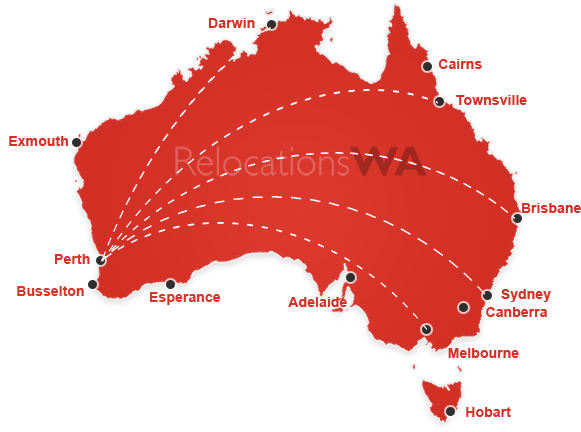
We make the safety and well-being of your pet our highest priority. Our pet transport experts can move your pet between any two points in Australia and overseas.
Moving house?
You might also like

Richest Suburbs in Perth: Where Interstate Movers Find Premium Living
We often speak with families, professionals, and downsizers who are moving to Perth because they want more than a new address. They want space, better lifestyle balance, beautiful beaches, access to the Swan…

Worst Suburbs in Melbourne: What You Should Know Before Relocating
Melbourne is one of Australia’s most popular relocation destinations, and it is easy to see why. It has strong job opportunities, great food, major universities, family-friendly pockets, and plenty of lifestyle variety. But…

Best Suburbs in Melbourne: Finding the Right Melbourne Suburb for You
Melbourne stands out as one of the world’s most livable cities thanks to its strong healthcare system, high-quality education, vibrant culture, reliable infrastructure, and overall stability. It currently ranks as the top city…




